


According to the World Health Organization (WHO), 40% of all cancer cases could be prevented through measures that reduce modifiable risk factors. However, recent research shows that 27% of Brazilians — more than a quarter of the population — are unaware of this.
The National Cancer Institute (INCA) projects 518 new cancer cases per year (excluding non-melanoma skin cancer) between 2026 and 2028. The most prevalent types in Brazil are prostate, breast, colorectal, and lung cancers.
Cancer is multi-causal
Cancer cannot be attributed to a single factor, but most people believe it is an inevitable disease. "Genetic contribution exists, but at a lower proportion than most people think. About 5% to 10% of cases are attributed to genetic inheritance," says Luciana Grucci, head of the Food, Nutrition, Physical Activity and Cancer Technical Area at INCA.
While it's true that cancer cannot be completely avoided, adopting certain lifestyle measures can significantly reduce the risk. A study published in The Lancet analysed Global Burden of Disease data and showed that some changes could reduce a person's cancer risk by up to 45%.
8 measures to reduce cancer risk
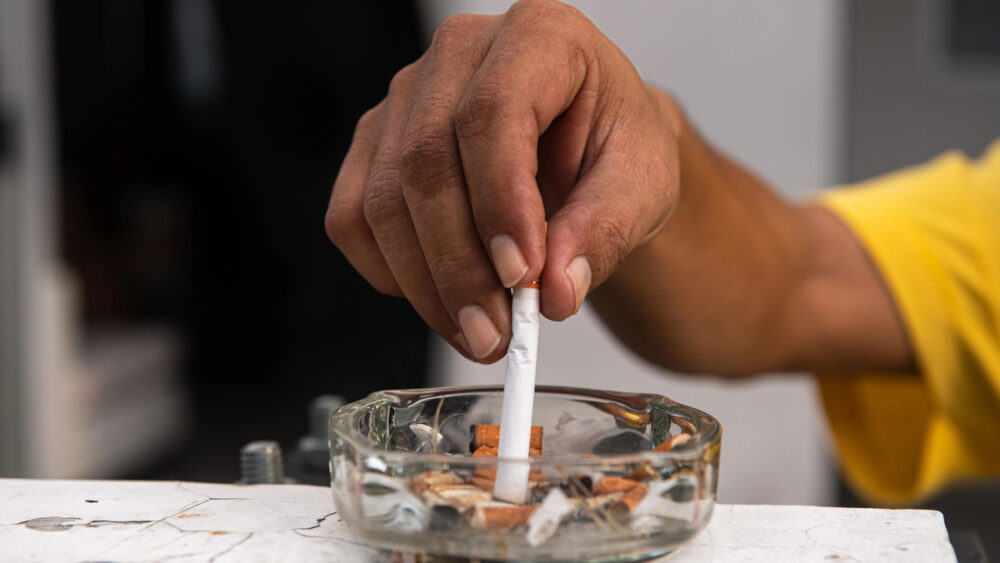
1. Don't smoke
Quitting smoking is the most important modifiable factor for reducing cancer risk. Tobacco contains at least 70 known carcinogenic chemicals that can alter cell DNA. An estimated nine out of ten lung cancer cases are directly caused by smoking, and about 30% of cancer deaths are attributable to tobacco. Smoking is linked to cancers of the mouth, throat, oesophagus, bladder, cervix, pancreas, and more.
2. Eat more natural foods and fewer ultra-processed ones
Additives and preservatives in ultra-processed foods increase the risk of several cancers, including breast, pancreatic, and colorectal cancers. The Dietary Guidelines for the Brazilian Population provide excellent recommendations for reducing diet-related cancer risk.
3. Avoid or limit alcohol consumption
According to the CDC, the less alcohol you consume, the lower your cancer risk. Alcohol metabolises into acetaldehyde, a toxic and carcinogenic compound that damages DNA and can lead to uncontrolled cell growth. Alcohol increases the risk of cancers of the oropharynx, larynx, oesophagus, colorectal, liver, and breast. The WHO states there is no safe dose of alcohol, so the ideal is not to drink.
4. Maintain a healthy weight
Research shows a strong association between obesity and several cancers — including breast, colorectal, oesophagus, pancreas, and endometrium. Studies indicate that 4% to 8% of all cancers are attributed to obesity, and excess body fat increases cancer-specific mortality risk by approximately 17%.
5. Exercise regularly
Regular physical activity reduces the risk of several cancers: colorectal, breast, oesophagus, kidney, lung, stomach, and uterine (endometrial). Sedentary behaviour is linked to a significant increase in cancer risk, according to the WHO.
6. Protect yourself from the sun
Skin cancer is the most common cancer in Brazil. UV radiation causes cellular damage that can eventually lead to cancer. Recommendations include avoiding direct sun exposure between 10am and 4pm, using sunscreen (SPF 30 or higher), and wearing protective clothing, hats, and sunglasses.
7. Practise safer sex
Several cancers — cervical, anal, penile, and oropharyngeal — are linked to HPV. HIV can also increase cancer risk. External and internal condoms and the HPV vaccine are the best tools to prevent these viruses and other STIs.
8. Get recommended vaccines
Some vaccines prevent viruses associated with certain cancers, such as HPV and hepatitis B (which can cause liver cancer). Vaccination is most effective before exposure, but adults can also benefit.
Cancer screening
Some cancers can be detected early — when cure rates are higher — through screening tests (e.g., prostate, breast). Others can be prevented through preventive exams (e.g., colorectal, cervical). Screening should be individualised based on age, family history, and medical history. Always consult your doctor to develop a personalised screening strategy.
Key takeaway
Cancer prevention starts with lifestyle choices. While not all cancers can be avoided, adopting these eight measures can significantly reduce your risk. Combined with regular screening, these habits offer a powerful approach to protecting your health.
Advertisement
Advertisement
 Promover
 Popular
Advertisement


